Skip to content

Preview only. Prices and availability are placeholders. Orders and payments are not available.

Read before you order.

Short, factual guides to the terms and documents used throughout the catalog.

Understanding research peptides

Clear glass rods and a glass sphere refracting light on limestone.

What a peptide is

Peptides are short chains of amino acids joined by peptide bonds. They are smaller than proteins and can be produced synthetically with a defined sequence.

Research peptides are supplied for laboratory study, such as in vitro experiments and analytical work. They are not medicines and are not intended for human or veterinary use.

Display names and compound identity

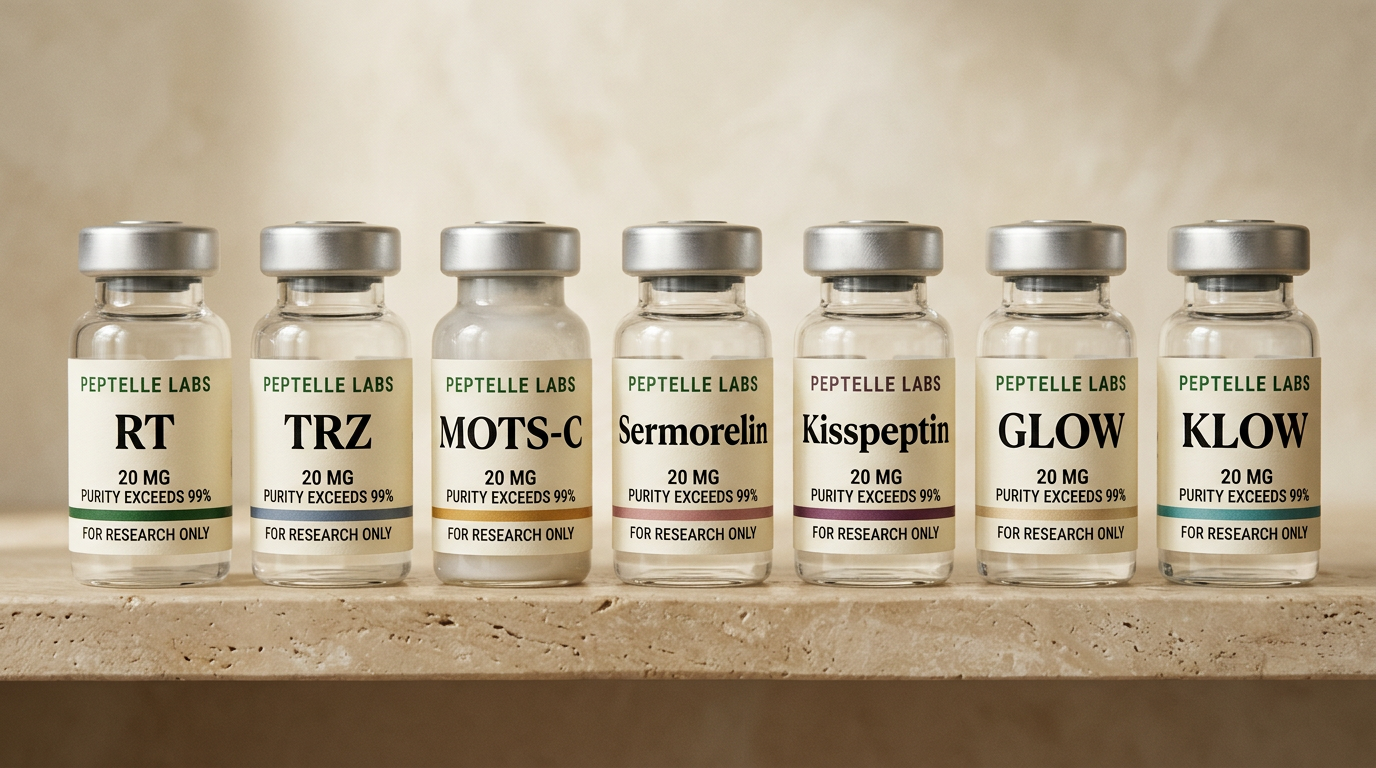
Catalog names such as RT are short display names that make materials easy to find. The compound identity is what specifications and analytical documents refer to. For example, RT is the display name for GLP-3.

Where a compound identity has not yet been confirmed with the supplier, product pages say so rather than guessing.

Content per vial

Milligram amounts describe the quantity of material in a vial. They are a specification of the container, not a dose or a recommendation of any kind.

Reading a certificate of analysis

A sheet of ivory paper beneath smoked glass beside an aluminum ruler.

What a certificate of analysis is

A certificate of analysis (COA) is a document issued for a specific lot of material. It records which tests were performed, the methods used, and the results obtained for that lot.

Sections to look for

Identifiers: the product or compound name and the lot number the report applies to.

Identity: a test confirming the material is what it is described as. Mass spectrometry, which compares an observed molecular mass to the expected value, is commonly used for peptides.

Purity: commonly measured by high-performance liquid chromatography (HPLC) and reported as a percentage of the total signal.

Issuer and date: the laboratory that performed the analysis and when the report was issued.

What to check

Confirm that the lot number on the report exactly matches the lot on your material. A report without a lot number or issue date cannot be matched to a specific vial.

Understanding lot identification

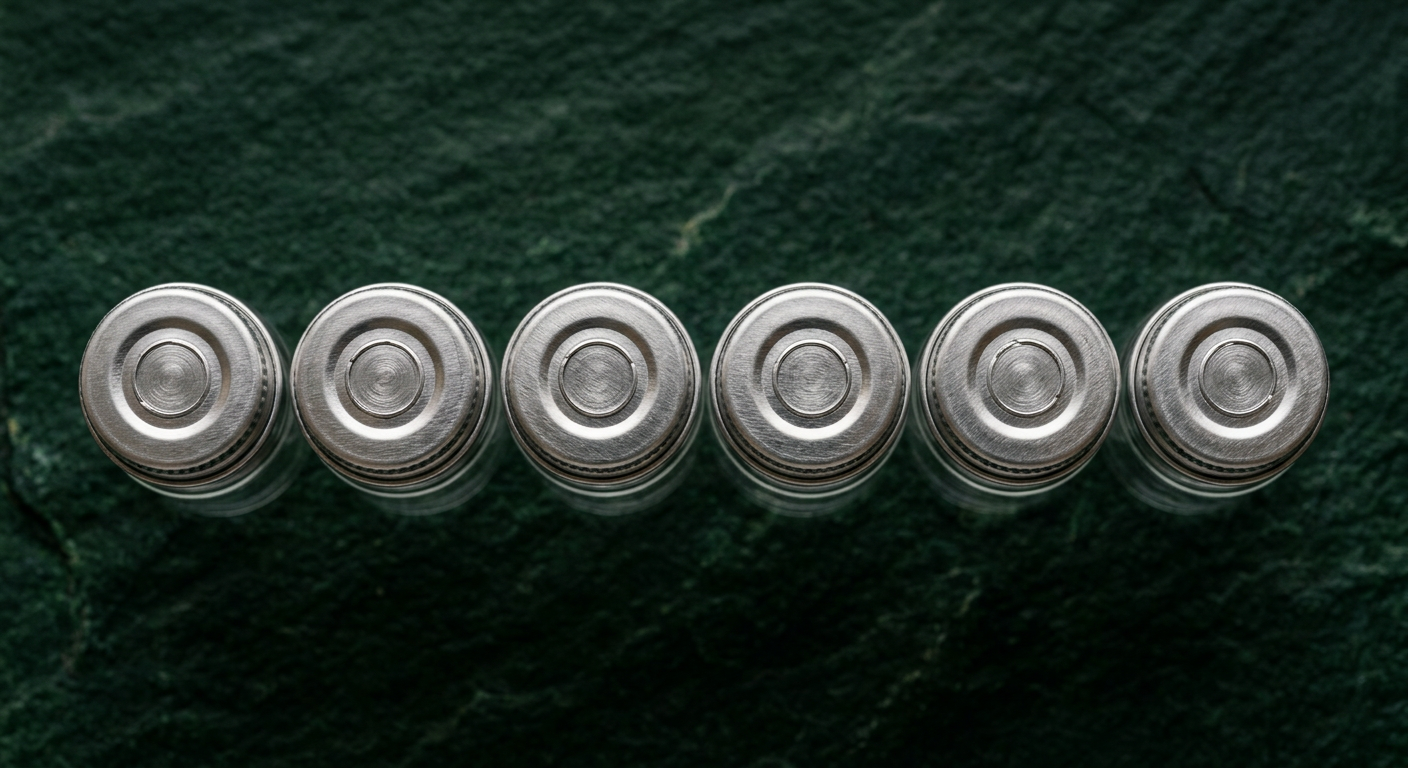
A row of brushed aluminum vial caps seen from above on deep green stone.

What a lot is

A lot, or batch, is a quantity of material produced and tested together. Analytical documentation is issued per lot, which is why the lot number is the link between a vial and its report.

Finding and matching a lot number

Where a lot number is printed on a vial or its packaging, it is usually preceded by “Lot” or “LOT”.

Enter that number in the lot search on the Quality & Testing page. If a matching report has been published, it will be listed with its issue date and a link to view or download it.

If no report is listed for your lot, documentation has not been published for it yet. Contact us with the product name and lot number.

Your cart (0)

Your cart is empty.

Buy one, get free BAC water. One vial of bacteriostatic (BAC) water free with every peptide vial. Added to your cart automatically, no code needed.

Shop all peptides

Popular to start with